
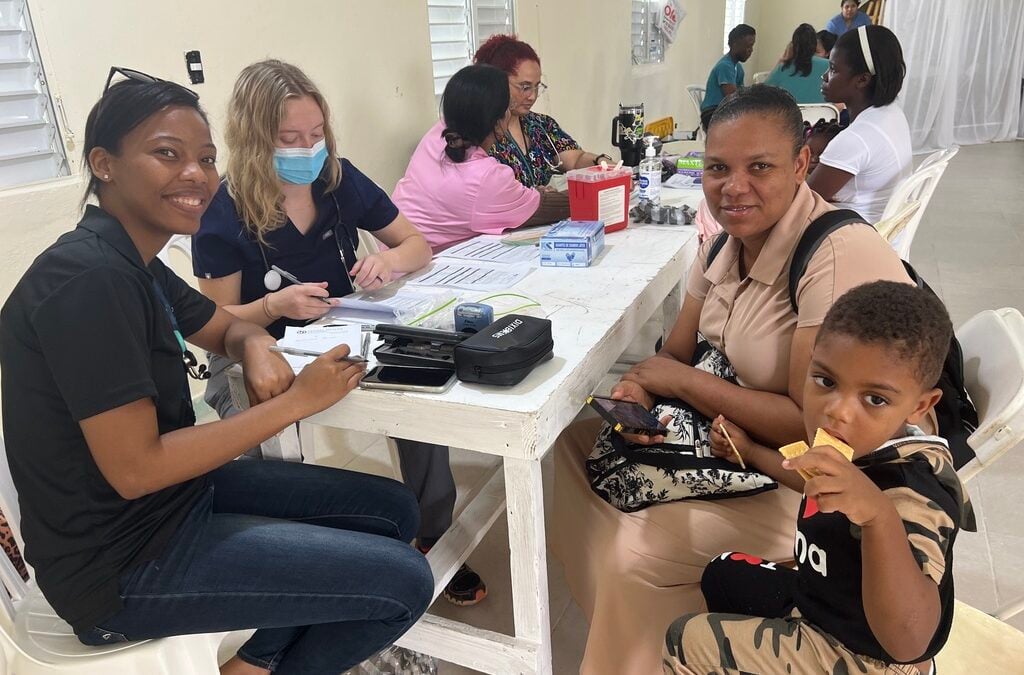
Starting a medical clinical research internship, you’ll gain invaluable hands-on experience, bridging classroom knowledge with real-world medical practices. As you navigate through clinical protocols and interact with patients, you’ll enhance your problem-solving skills and grow your ability to consult research collaboratively. You’ll also build a vast professional network, connecting with experts who can guide your career path. Additionally, you’ll develop key communication skills, learning to convey complex information succinctly across diverse audiences. As your confidence flourishes with each challenge, you’ll find yourself increasingly self-assured and competent. There’s much to gain as you explore these transformative experiences further.
– Provides hands-on experience, bridging theoretical knowledge with practical healthcare application.
– Enhances problem-solving skills through real-world medical challenges and teamwork.
– Builds professional networks with experts, mentors, and peers in the clinical research field.
– Develops communication skills by interacting with diverse teams and explaining complex research.
– Boosts personal confidence by fostering decision-making skills and autonomy in a clinical setting.
Gaining Hands-On Experience
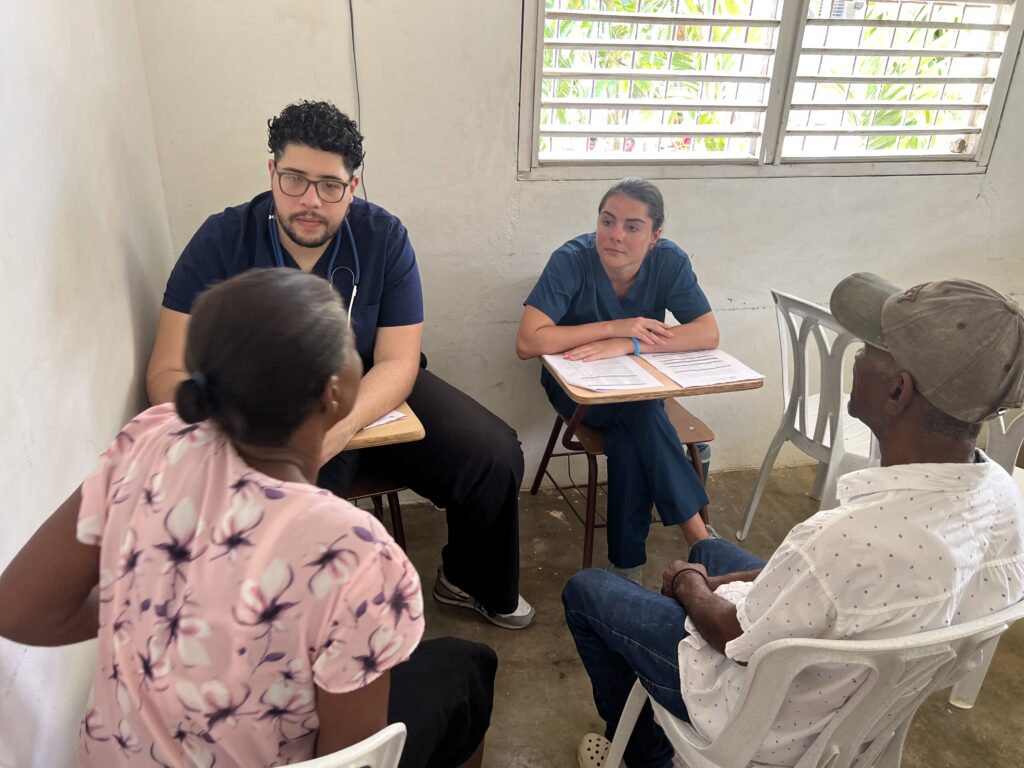
Participating in a medical clinical research internship offers you invaluable hands-on experience that bridges the gap between theoretical knowledge and real-world application. As you step into this role, you’re not just observing—you’re doing. You learn to maneuver through the complexities of clinical protocols and patient interactions, which are fundamental aspects of healthcare that can’t be fully understood through textbooks alone.
You’re also thrust into environments where critical medical decisions are made. Here, you observe the effects of treatments firsthand and understand the nuances of patient care, which includes respecting their emotional and psychological needs as much as their physical health. This immersive experience forces you to adapt quickly, think on your feet, and apply your theoretical knowledge in practical, often critical situations.
Furthermore, working alongside experienced professionals helps you gain insights into the routines, challenges, and triumphs of a medical career. You witness the importance of interdisciplinary teamwork and communication, vital skills in any healthcare setting. This not only enriches your understanding of medical science but also molds you into a more empathetic and effective practitioner. Through this, a medical clinical research internship shapes not just your career trajectory but also your personal growth.
Enhancing Problem-Solving Skills
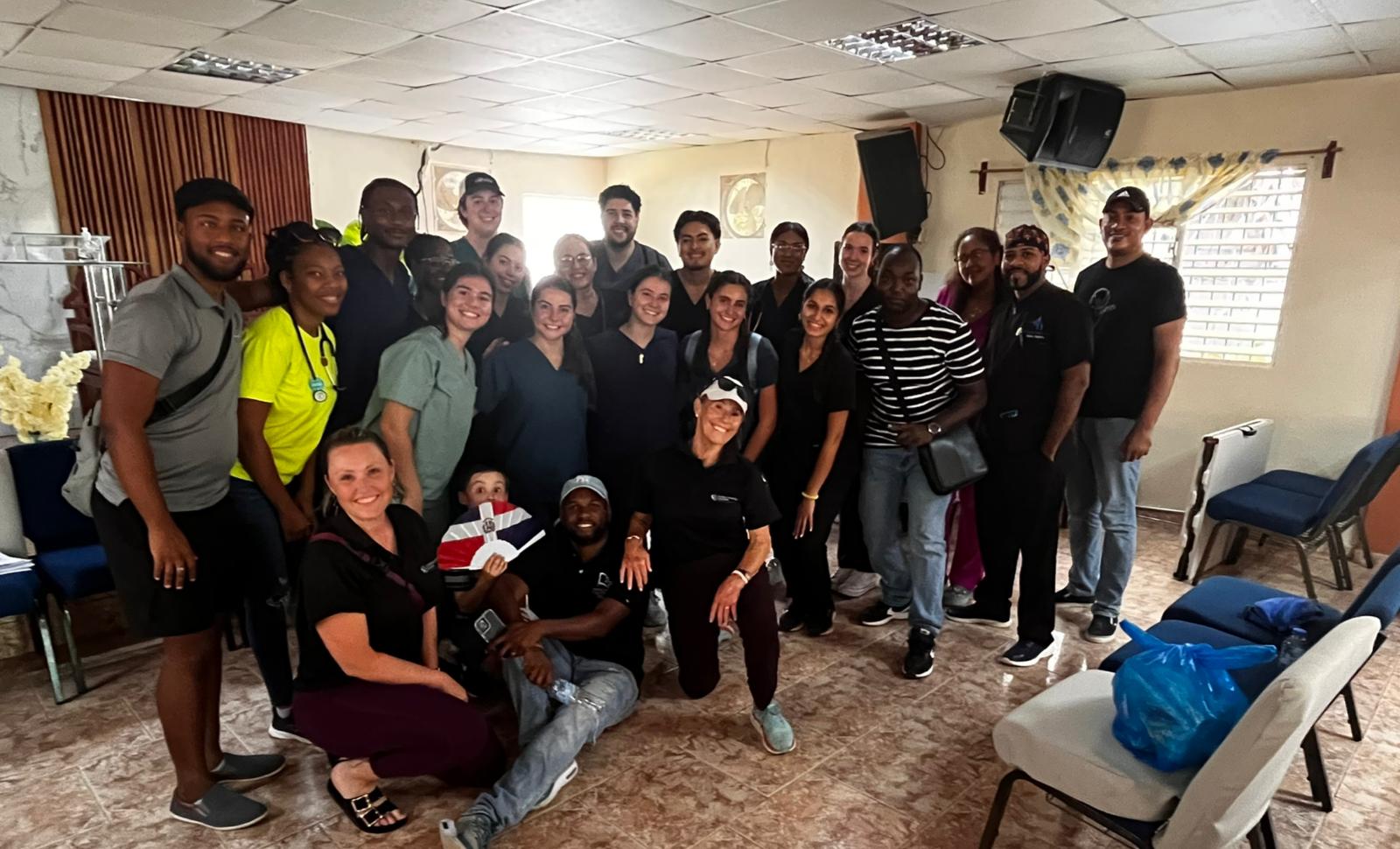
During your medical clinical research internship, you’ll enhance your problem-solving skills by tackling real-world challenges in patient care and treatment outcomes. You’re not just learning about diseases in theory; you’re actively participating in the process of discovering solutions that could impact lives directly. For instance, when faced with a patient whose condition does not respond to standard treatments, you’ll need to think outside the box, consulting research, collaborating with your team, and experimenting with novel approaches.
This hands-on problem solving is vital for your growth. It shifts you from a theoretical learner to a practitioner capable of critical thinking and innovative solutions. Here’s how your skills might develop in various scenarios:
| Scenario | Skill Enhanced | Outcome |
| Unresponsive patient | Critical Analysis | Tailored treatment plan |
| Data inconsistency | Attention to Detail | Reliable research findings |
| Team disagreement | Collaborative Solutions | Enhanced team dynamics |
| Regulatory hurdles | Strategic Planning | Effective project advancement |
Each challenge compels you to dig deeper, think critically, and devise strategies that are not only scientifically sound but also practically applicable. This experience solidifies your ability to navigate complex situations, making you a more competent and confident professional in the medical field.
Building Professional Networks
Often, you’ll find that building professional networks is as important as acquiring medical knowledge in your clinical research internship. As you navigate through complex research protocols and patient studies, you’re also stepping into a community of seasoned experts and peers who share your passions and professional interests. These connections are more than just names in an address book; they’re potential mentors, collaborators, and supporters who can play pivotal roles in your career.
Engaging with a diverse group of professionals exposes you to various career paths and insights that aren’t readily available in textbooks or lectures. You’ll learn about the real-world applications of your studies, and see firsthand how clinical research impacts patient care and medical advancements. By attending conferences, participating in workshops, and simply conversing with your colleagues, you’re laying the groundwork for future opportunities.
Developing Communication Abilities
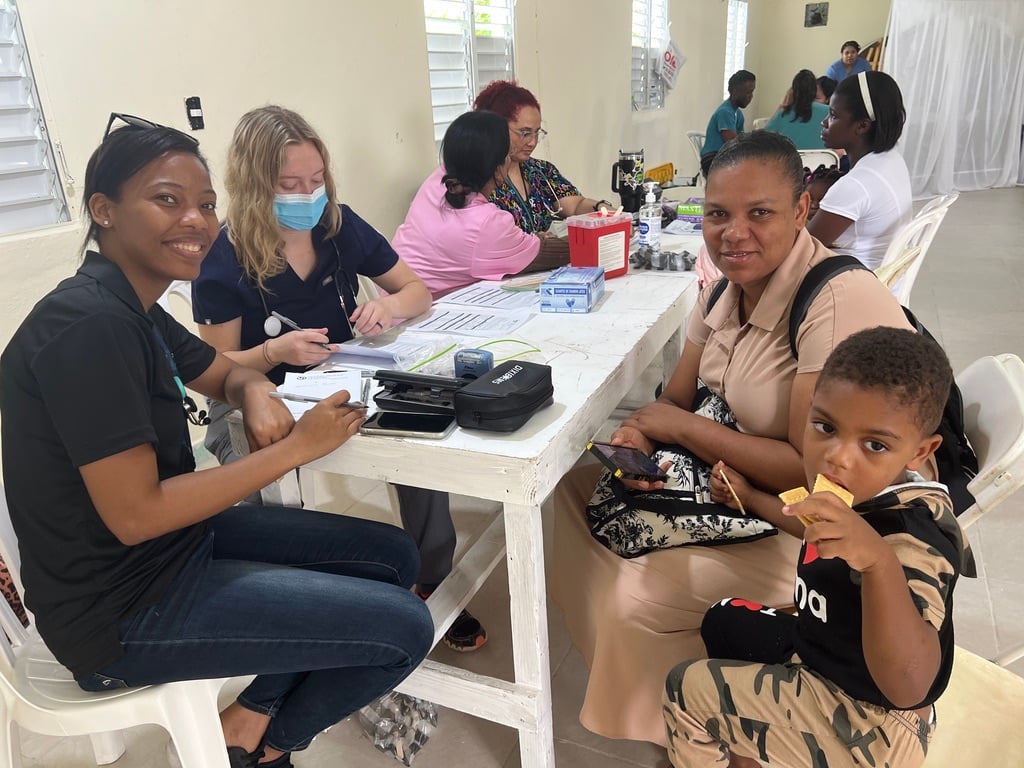
You’ll hone your communication skills daily as you explain complex research details to diverse audiences. Whether you’re discussing findings with your colleagues, presenting data to stakeholders, or simplifying concepts for the general public, each interaction is an opportunity to sharpen your ability to convey information clearly and effectively.
During your internship, you’ll learn to adapt your communication style to suit different audiences. This means not only mastering the technical language of your field but also knowing when to dial back the jargon to guarantee comprehension. You’ll find yourself becoming more attentive to the nuances of verbal and non-verbal cues, enhancing your ability to listen and respond appropriately.
Moreover, your role might require collaborating with multidisciplinary teams. Here, you’ll practice articulating your thoughts and ideas in ways that foster cooperation and drive collective goals forward. You’ll discover the power of concise, impactful communication in facilitating effective team interactions and advancing research objectives.
Fostering Personal Confidence
Building on your improved communication skills, you’ll also notice a significant boost in your personal confidence throughout the internship. As you navigate the complexities of clinical research, each challenge you overcome not only enhances your professional capabilities but also solidifies your self-belief. This newfound confidence emerges from several key experiences:
1. Problem Solving: You’ll tackle real-world problems, often under tight deadlines. Each successful resolution builds your trust in your own decision-making abilities.
2. Presentation Skills: Regularly presenting your findings to peers and supervisors sharpens your ability to convey information effectively and assertively, making you more confident in your ideas and your ability to defend them.
3. Feedback Reception: Learning to accept and utilize constructive criticism without taking it personally helps you grow thicker skin. You’ll start to see feedback as a tool for personal improvement rather than criticism.
4. Autonomy: As you gain more responsibilities and navigate tasks independently, you’ll trust your instincts and choices more. This autonomy in decision-making boosts self-assurance dramatically.
These experiences don’t just prepare you for future professional roles; they deeply influence your personal growth, making you more poised and self-assured in every aspect of your life.
Frequently Asked Questions
What Are Typical Entry Requirements for a Medical Research Internship?
To secure a medical research internship, you’ll typically need a strong academic record, particularly in sciences, and some prior lab experience.
Universities often require you to be enrolled in or have completed relevant courses. Strong letters of recommendation and a passion for research, demonstrated through your personal statement, can greatly enhance your application.
It’s also beneficial to show any relevant skills or experiences that align with the specific focus of the internship you’re applying for.
How Do Internships Impact Future Salary Prospects?
Undertaking internships, particularly in specialized fields like medical research, can greatly boost your future salary potential. By gaining hands-on experience, you’re not just building skills but also demonstrating commitment and expertise to potential employers. This makes you a more attractive candidate for higher-paying roles.
Additionally, the professional network you develop during an internship can provide opportunities and endorsements that further enhance your career trajectory and salary prospects.
Are There Opportunities for International Students in These Internships?
Yes, there are opportunities for international students in medical clinical research internships. Nearly 25% of participants in these programs are from abroad, highlighting their inclusivity.
These internships can greatly enhance your understanding of global health practices, boost your resume, and expand your professional network. They’re a stepping stone to furthering your career in a diverse environment, helping you gain invaluable skills and experiences that are recognized worldwide.
Can Internships Lead to Permanent Positions?
Yes, internships can indeed lead to permanent positions. They’re your chance to showcase your skills, immerse yourself in the field, and network with professionals.
During your internship, you’ll demonstrate your work ethic, adaptability, and passion. These qualities often impress employers, enhancing your chances of a job offer.
Plus, the hands-on experience and industry connections you gain can greatly boost your resume and open doors to future opportunities.
What Ethical Considerations Are Taught in These Internships?
In your medical clinical research internship, you’ll explore essential ethical considerations.
You’ll learn about informed consent, the importance of maintaining patient confidentiality, and how to ethically conduct trials that respect participant rights.
These teachings not only protect patients but also enhance your understanding of ethical research practices, shaping you into a conscientious professional equipped to handle sensitive situations in your future medical or research career.
Conclusion
As you wrap up your medical clinical research internship, you’ll find it’s not just about the lab coat and test tubes. You’ve gained hands-on experience, honed problem-solving skills, expanded your professional network, and enhanced your communication abilities.
Most importantly, you’ve built the confidence to take the bull by the horns in both your personal and professional life. This transformative journey equips you to face future challenges with resilience and a well-rounded skill set.